Digital assets can open up new ways to participate in the internet economy. Before you begin, it helps to understand one idea at the center of it all: who holds the keys?
What does self-custody mean?
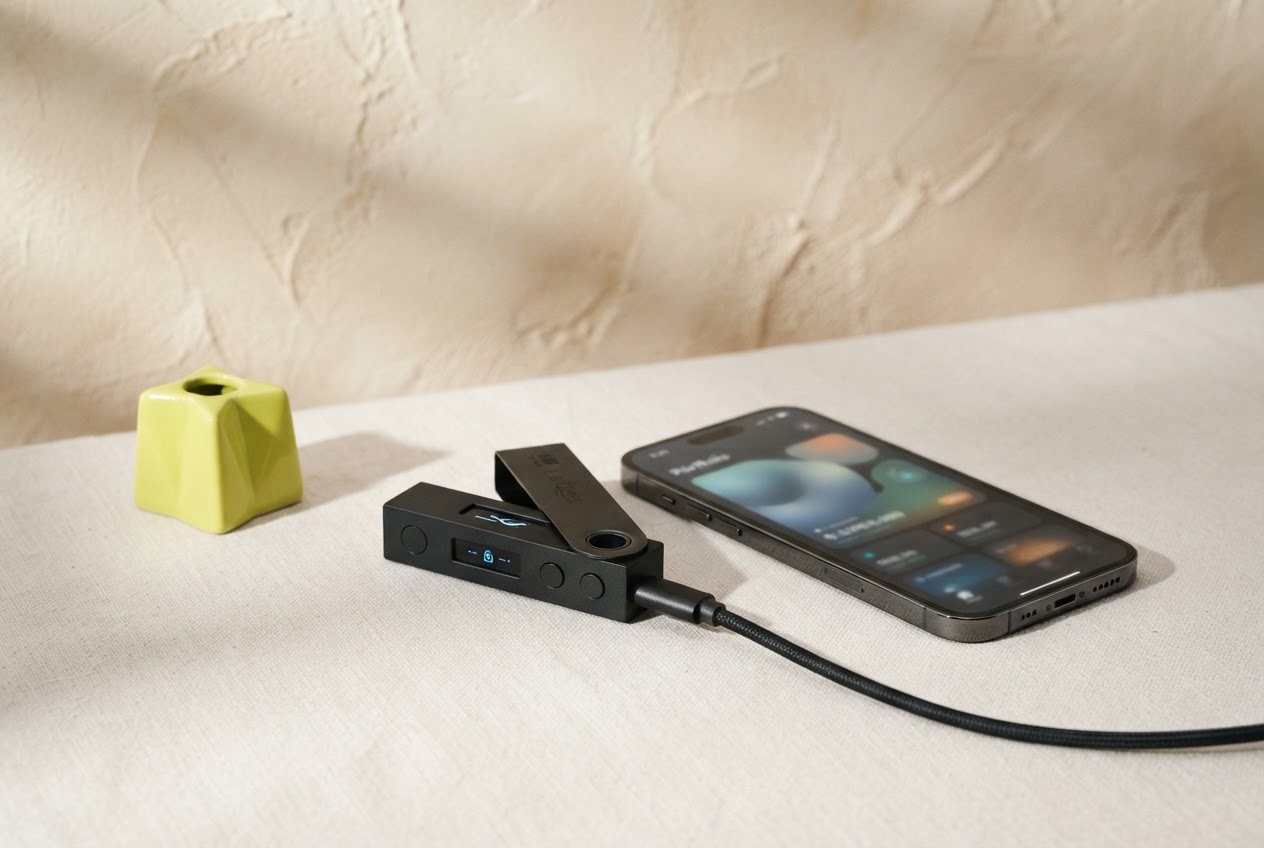
When you use a custodial service, another organization manages access to your assets on your behalf. With self-custody, you hold the private keys that authorize access. A Ledger hardware wallet is designed to keep those keys offline while letting you review and approve transactions through a connected app. The device does not store coins themselves; it safeguards the keys associated with your accounts.
Your recovery phrase is the backup
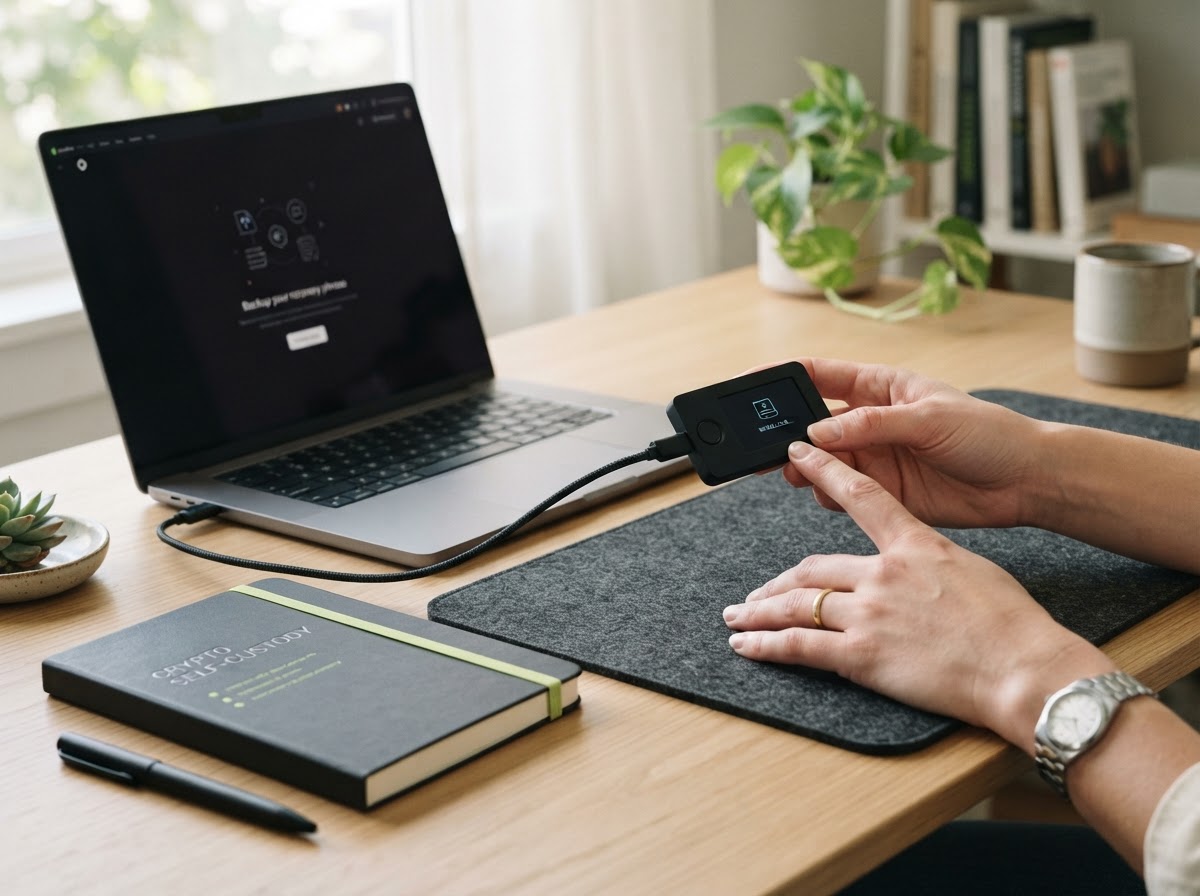
During setup, your device generates a recovery phrase. These words are the human-readable backup to your private keys. Write them down carefully, in the order shown, and store the paper somewhere private and secure. Never photograph or type the phrase into a phone, computer, website, or message. Ledger support will never ask you to reveal it. Anyone with those words may be able to access your assets, so treat them like the master key to your digital life.
Take setup one step at a time
Get your device from an official source and use Ledger’s official website or Ledger Live app to follow its setup instructions. Choose a PIN that is hard to guess and keep it private. When the device displays your recovery phrase, make sure you are somewhere safe and not being watched. Verify each word as you write it down, then complete the device’s recovery-check process. If anything seems unexpected, pause and consult official support resources before proceeding.
Pause, verify, then approve
Transactions are generally irreversible. Before signing, read the details on your device screen and confirm that the address and amount match what you intended. Be cautious with unsolicited messages, urgent warnings, giveaways, and links asking you to connect a wallet or enter your recovery phrase. Bookmark official resources rather than following links in unexpected messages. Start with small, considered actions while you learn how networks, fees, and addresses work.
Build knowledge before moving value
Crypto is volatile, and self-custody means responsibility as well as control. Learn the risks, check that an asset or network is supported, and never invest money you cannot afford to lose. Take time to explore the app’s security guidance and practice navigating its features before making a transfer. There is no need to rush. The strongest first step is understanding what you are doing and knowing where to find trustworthy information when questions come up.